Algorithmic Synchronization Across Multi-Vertical Gaming Platforms
Written by Vera Schulz · Aug 4, 2026
Algorithmic Synchronization Across Multi-Vertical Gaming Platforms
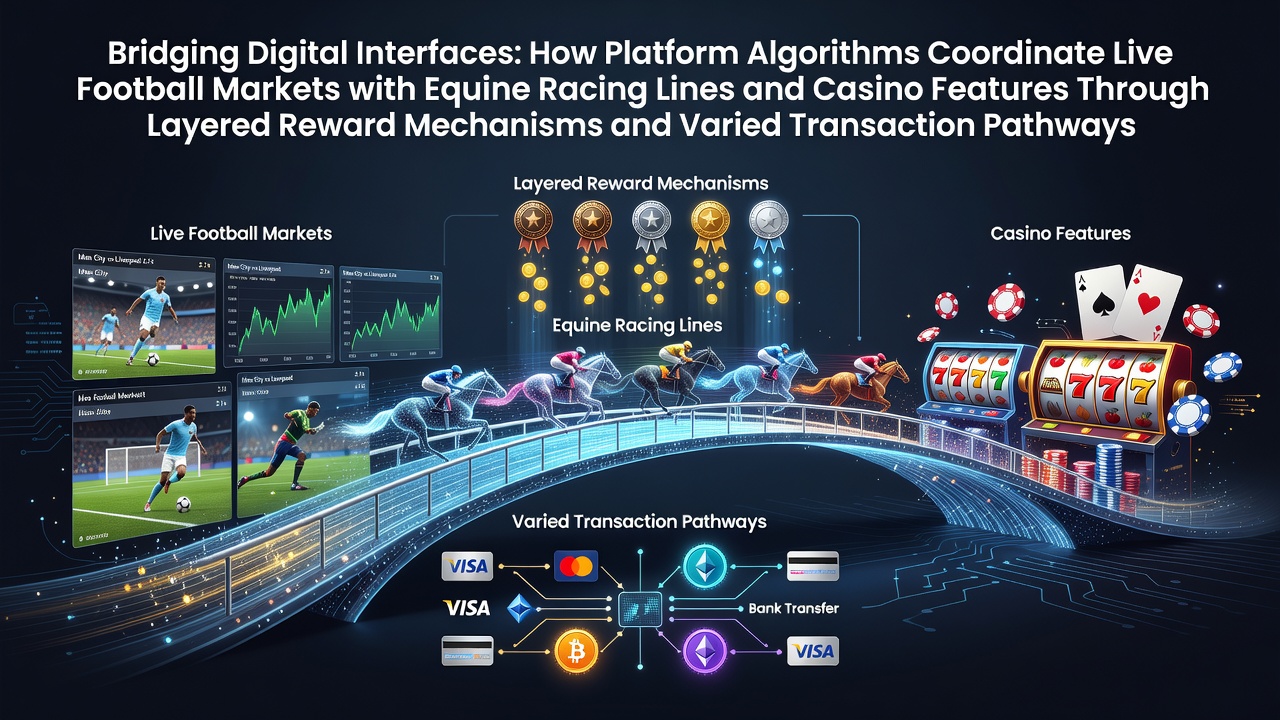
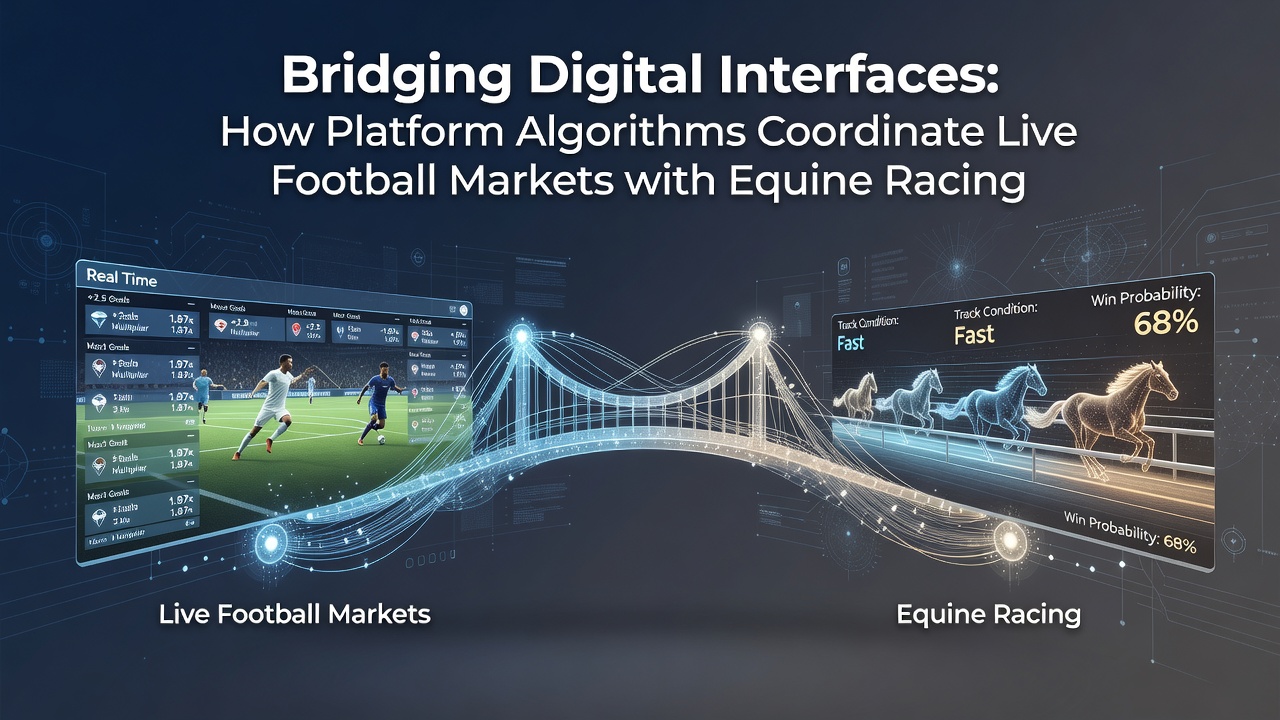
Platform algorithms now handle simultaneous coordination between live football markets, equine racing lines, and casino features through structured data pipelines and reward layers. These systems process real-time inputs from multiple event types while maintaining separate transaction channels for each vertical. Data from football fixtures updates continuously alongside racing schedules and slot mechanics, allowing operators to align promotional structures without manual intervention. Developers design these frameworks around modular APIs that pull odds, event triggers, and player activity metrics into a central processing layer. The central layer then distributes adjusted reward values across accounts based on predefined rules. Transaction pathways remain distinct yet feed into unified ledgers that track deposit and withdrawal flows separately for sports, racing, and casino segments.Data Integration Layers in Live Event Coordination
Football match data arrives through dedicated feeds that capture goal timings, card events, and substitution updates, whereas equine racing lines incorporate starting gate positions, sectional timings, and jockey changes. Casino features operate on random number generators and session timers that run independently. Algorithms reconcile these streams by mapping each event category to corresponding reward multipliers stored in backend databases.
Operators maintain separate databases for each product line while using middleware to synchronize bonus eligibility flags. When a user places a live football stake, the system logs the transaction and checks against racing or casino activity thresholds stored in the same user profile. This cross-check occurs within milliseconds to prevent latency during in-play periods.
Reward Layer Construction and Transaction Routing
Reward mechanisms sit in stacked tiers where base loyalty points accumulate from any vertical and then unlock tiered multipliers tied to specific product combinations. A player completing a football accumulator might trigger an equine racing free bet eligibility flag, which the algorithm routes through a separate transaction queue that processes casino cashback claims on a different schedule. These queues use priority weighting based on event urgency rather than user preference.
Transaction pathways split along product lines yet converge at the payment gateway level. Football winnings move through faster settlement rails during major tournaments, while racing payouts follow batch processing aligned with race result confirmations. Casino redemptions route through instant verification protocols that operate outside the sports settlement cycle. August 2026 saw several platforms expand these pathways to include additional cryptocurrency rails that run parallel to traditional banking channels.
Technical Architecture Supporting Cross-Vertical Operations
Backend systems rely on event-driven architectures where each incoming data packet from football providers or racing stewards triggers a cascade of rule evaluations. These evaluations check current reward balances, pending transactions, and eligibility windows before updating the user interface. Casino modules receive the same trigger events but apply different probability weightings stored in isolated configuration files.
Industry reports from the Australian Gambling Research Centre indicate that synchronized platforms reduce processing overhead by consolidating user session data into shared caches. Similar findings appear in analyses from the National Council on Problem Gambling that examined multi-product engagement patterns across North American operators.
Security and Compliance Protocols Within Unified Systems
Security layers apply encryption at each transaction junction while maintaining audit trails that separate sports activity logs from casino session records. Compliance modules scan for regulatory thresholds across all verticals simultaneously, flagging patterns that exceed defined exposure limits regardless of which product generated the activity. These scans run on scheduled intervals that align with reporting cycles required by different jurisdictions.
Platform operators update algorithmic parameters through controlled release pipelines that test changes against historical data sets from football seasons, racing meets, and casino floor performance. Rollback procedures remain available if synchronization errors appear between the live event feeds and reward distribution engines.
Conclusion
Platform algorithms coordinate live football markets with equine racing lines and casino features by maintaining distinct data streams that converge through layered reward structures and separated transaction pathways. These technical arrangements allow simultaneous operation across verticals while preserving product-specific settlement rules and regulatory compliance requirements. Continued refinement of these systems focuses on reducing latency and expanding parallel payment options as event volumes increase.