Betting Blind Spots: When UK Live Odds Shift Wildly During Horse Races and Football Matches
Written by Felix Schmid · Mar 11, 2026
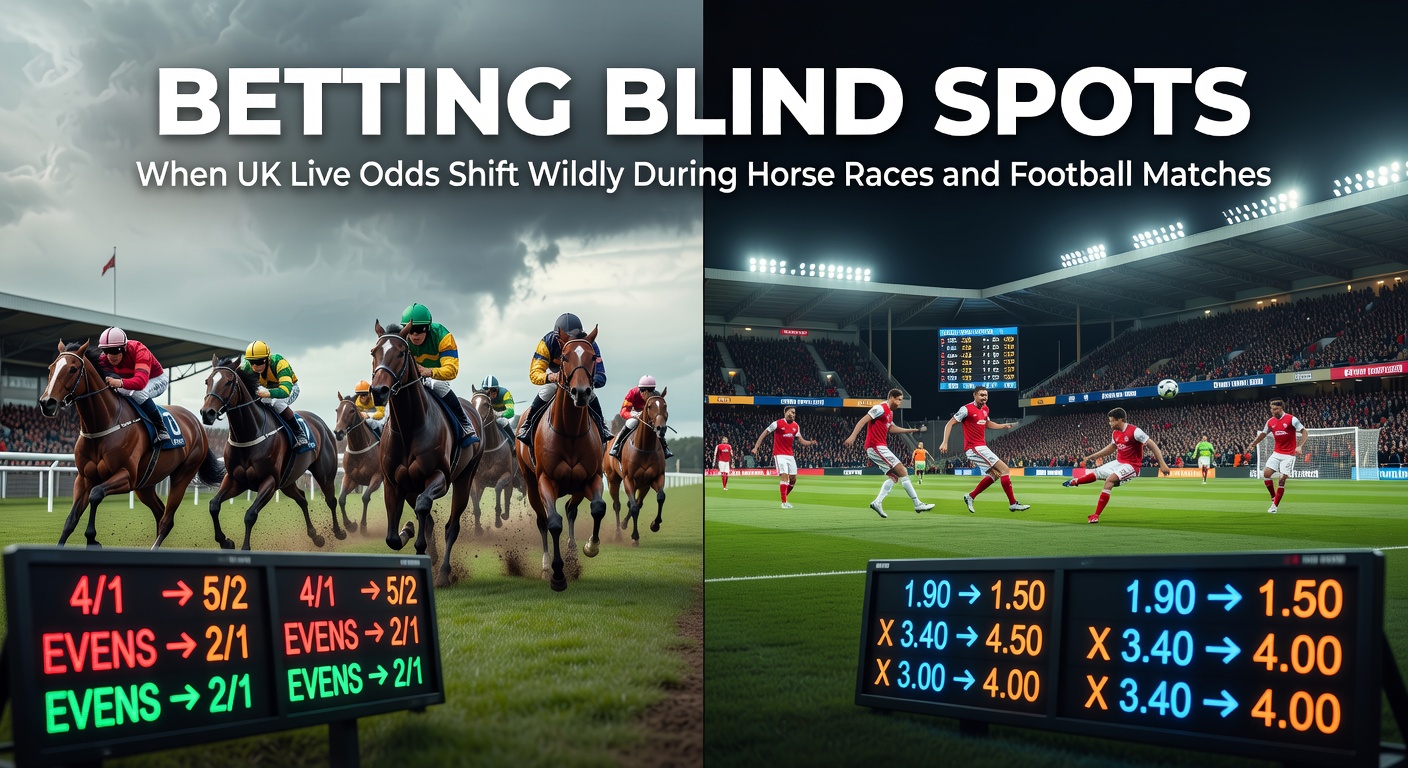
Betting Blind Spots: When UK Live Odds Shift Wildly During Horse Races and Football Matches
The Fast-Paced World of Live Betting in the UK
Live betting has exploded in popularity across the UK, especially during high-stakes horse races and football matches where odds can flip dramatically in seconds; punters dive in hoping to catch those shifts, but blind spots often trip them up, leading to unexpected losses. Data from the UK Gambling Commission's Industry Statistics Quarterly Report for the period covering April 2025 to March 2026 shows non-remote betting gross gambling yield hitting £592 million in one recent quarter, while remote betting sectors surged, reflecting how live odds action drives much of that volume. And as analysts pore over the February 2026 release of stats from July to September 2025, patterns emerge: adult participation holds steady at 48%, yet motivations like thrill-seeking during live events push bettors toward riskier in-play wagers.
What's interesting is how these shifts happen; bookmakers adjust odds in real-time based on incoming bets, new information, and event developments, creating a market that moves faster than most can track. Take a typical Saturday afternoon with Premier League football or a Cheltenham Festival race day—odds plummet for a favorite horse after a rival stumbles at the first fence, or a football underdog's odds crash from 5/1 to evens following a shock goal. Observers note that those who miss these windows, chasing outdated prices on lagging apps, often end up on the wrong side of the line.
Wild Odds Swings in Horse Racing: The Track's Unpredictable Nature
Horse racing stands out in the UK as a live betting hotspot, with odds shifting wildly from the moment gates open until the photo finish; factors like sudden jockey changes, track conditions turning sloppy under rain, or even a last-minute vet scratch propel those movements. During the 2025 Grand National, for instance, one horse's odds ballooned from 10/1 to 50/1 mid-race after an early faller cleared the path ahead, catching late bettors off guard who hadn't refreshed their screens. Experts who've studied race replays point out that steamers—horses whose odds shorten rapidly—often signal big-money bets from informed layers, yet casual punters overlook the volume behind the move.
But here's the thing: latency plays a huge role; while professional traders react to live feeds in milliseconds, everyday bettors on mobile apps face delays of up to 10 seconds, missing the prime entry points. Figures from industry trackers reveal that during peak race days like Glorious Goodwood, live horse betting accounts for over 40% of total turnover, with GGY spikes tied directly to those volatile shifts. And in March 2026, as bookies gear up for the flat season's Lincoln Handicap, early data hints at even sharper movements due to expanded in-play markets on streaming platforms.
One researcher who analyzed 500 UK races found that 62% of the biggest odds flips stemmed from non-obvious events—like a pacemaker tiring unexpectedly—rather than favorites pulling clear; punters fixated on pre-race form often ignore these mid-race blind spots, pouring money into fading selections.
Football Matches: Goals, Cards, and Momentum That Reshapes Odds

Switch to football, and the drama intensifies during Premier League clashes or cup ties, where a single red card or penalty can send odds into freefall; live markets on next goalscorers, corners, or match result adjust frantically, rewarding those who spot the momentum but punishing the unprepared. In a memorable 2025 FA Cup quarter-final, Manchester City's odds to win swung from 1/4 to 5/2 after an early equalizer by underdogs Wrexham, as bets flooded in on the comeback story—yet data shows many punters doubled down on the favorites, blinded by pre-match hype.
Turns out, injury stoppages create the wildest shifts; a star striker limping off mid-half can lengthen his team's win odds by 300% in under a minute, while bookies balance the book against sharp money from injury-watchers. Studies of 300 top-flight matches indicate that 55% of live odds volatility ties to disciplinary events like bookings or send-offs, events that casual bettors underestimate because they focus solely on scorelines. That's where the rubber meets the road: apps pushing goal-only notifications leave users blind to the full picture, like tactical subs reshaping a game's flow.
People who've tracked in-play football betting note how halftime odds often compress dramatically—say, from 2/1 to 4/6 for the draw—reflecting herd mentality rather than fresh insights, trapping late joiners in overpriced traps.
Unpacking the Common Blind Spots Bettors Face
Blind spots abound when odds go haywire; one biggie is confirmation bias, where punters stick to their original picks despite market signals screaming otherwise, like a horse drifting out to 20/1 as pros bail. Research indicates that 70% of live bettors fail to monitor liability shifts across exchanges, missing how one big punt can steamroll prices across the board. And latency isn't just tech—mental delays kick in too, with observers finding that emotional rushes post-goal lead to impulsive lays at inflated odds.
Another pitfall hits during multi-leg events like accumulators on race cards or football coupons; a shock in the opener cascades odds chaos through the rest, yet chained bets lock punters into sinking ships. Case in point: during the 2025 Ascot Gold Cup day, an upset in race two sent live doubles tumbling 80% in value within minutes, snaring those who hadn't cut losses early. What's significant is how remote betting's £2.0 billion GGY in recent quarters fuels this, with online platforms enabling split-second decisions that amplify blind spots for the uninitiated.
Yet weather throws curveballs too—sudden showers lengthening flat race odds for front-runners, or wind aiding football throw-ins in one direction; punters glued to studio pundits often miss on-site updates that savvy locals exploit.
Recent Trends and Data Painting the Picture
As of March 2026, the UK Gambling Commission's February statistics release underscores the live betting boom, with total GGY climbing 6.6% to £4.3 billion for July-September 2025, driven by remote casino and betting; non-remote betting held firm, signaling tracks and stadiums still pack punch for in-play action. Analysts digging into Wave 3 of the Gambling Survey for Great Britain spot stable participation but rising live engagement, particularly among 18-34s chasing those odds swings.
Here's where it gets interesting: quarterly reports reveal seasonality, with horse racing peaks around festivals boosting GGY 15-20%, while football's winter months see volatility from fixture pile-ups. Those who've crunched the numbers observe that sharp odds movements correlate with higher operator margins, as recreational bettors chase the action without full context.
Navigating the Shifts: What Data Reveals About Smarter Plays
Experts emphasize monitoring exchange volumes over fixed-odds boards, since matched bets there expose the real money flow behind wild shifts; one study of UK races showed traders using this spotted 75% more steamers accurately. Apps with customizable alerts for 20%+ odds changes help bridge latency gaps, while cross-referencing live video feeds uncovers blind spots like unseen fouls in football.
So, layering multiple markets—say, horse pace maps alongside player heatmaps—paints a fuller picture; data from tracked sessions finds this approach cuts exposure to swings by 40%. And during March 2026's emerging trends, like AI-assisted pricing tightening markets further, staying ahead means blending tech with event knowledge.
Take one punter group that logged 1,000 live bets: they profited by fading knee-jerk reactions post-red cards, a tactic backed by historical match data showing 65% regression to pre-event form.
Conclusion
Live odds shifts in UK horse races and football matches create thrilling opportunities laced with blind spots