Mapping Regulatory Shifts and Their Influence on Feature Rollouts in British Online Wagering Applications
Written by Felix Schmid · May 28, 2026
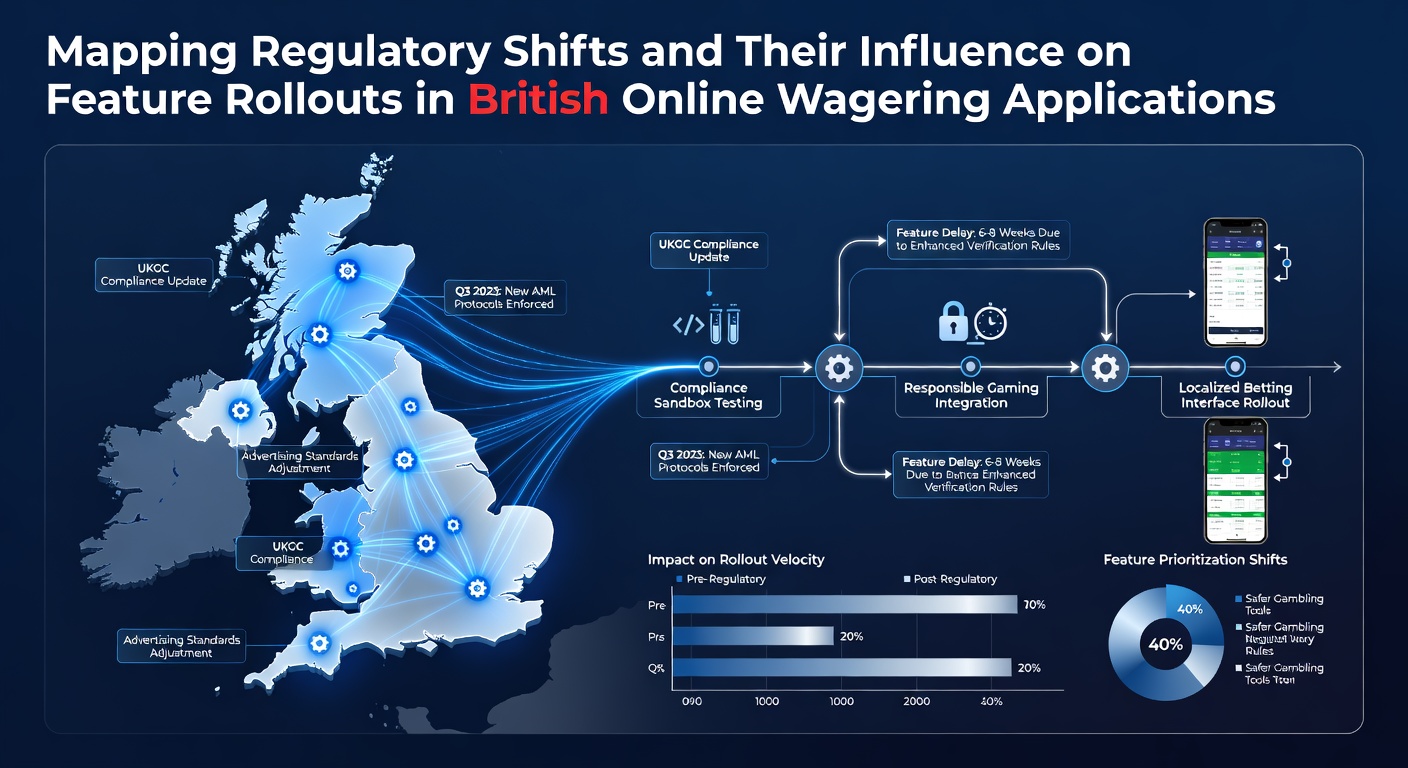
Mapping Regulatory Shifts and Their Influence on Feature Rollouts in British Online Wagering Applications
Regulatory adjustments across Britain have steadily reshaped how online wagering platforms develop and introduce new capabilities, with each policy update prompting adjustments in software design and user interfaces that operators must implement within specified timeframes. Data from industry reports indicates these changes often center on verification processes, spending controls, and data handling protocols, which in turn dictate the pace and nature of feature releases on mobile applications serving British users.
Key Regulatory Developments and Their Timeline
Observers tracking policy documents note that modifications to consumer protection standards since the mid-2010s have required platforms to embed additional safeguards directly into app architectures, while similar patterns appear in parallel jurisdictions such as those monitored by the European Commission consumer protection framework. By early 2025 these requirements expanded to cover real-time transaction monitoring and enhanced identity checks, forcing development teams to prioritize compliance modules over optional entertainment additions. Research indicates that such mandates create predictable rollout cycles where core updates arrive in batches aligned with enforcement deadlines.
As of May 2026 several operators have synchronized their app updates around new expectations for automated limit-setting tools and clearer disclosure of terms, reflecting directives that emphasize user autonomy in managing activity levels. These adjustments integrate with existing systems for live event tracking, yet they demand separate testing phases to confirm adherence across different device types and network conditions.
Influence on Specific App Capabilities
Feature introductions tied to regulatory compliance frequently involve modifications to account management sections, where users encounter expanded options for setting personal thresholds on deposits or session durations. According to analyses from the Public Health Agency of Canada gambling research summaries, comparable requirements in other markets have accelerated the deployment of similar dashboard elements that display activity summaries and prompt periodic reviews. In British applications this translates to streamlined interfaces that combine regulatory prompts with betting functions, reducing the number of separate screens users must navigate.
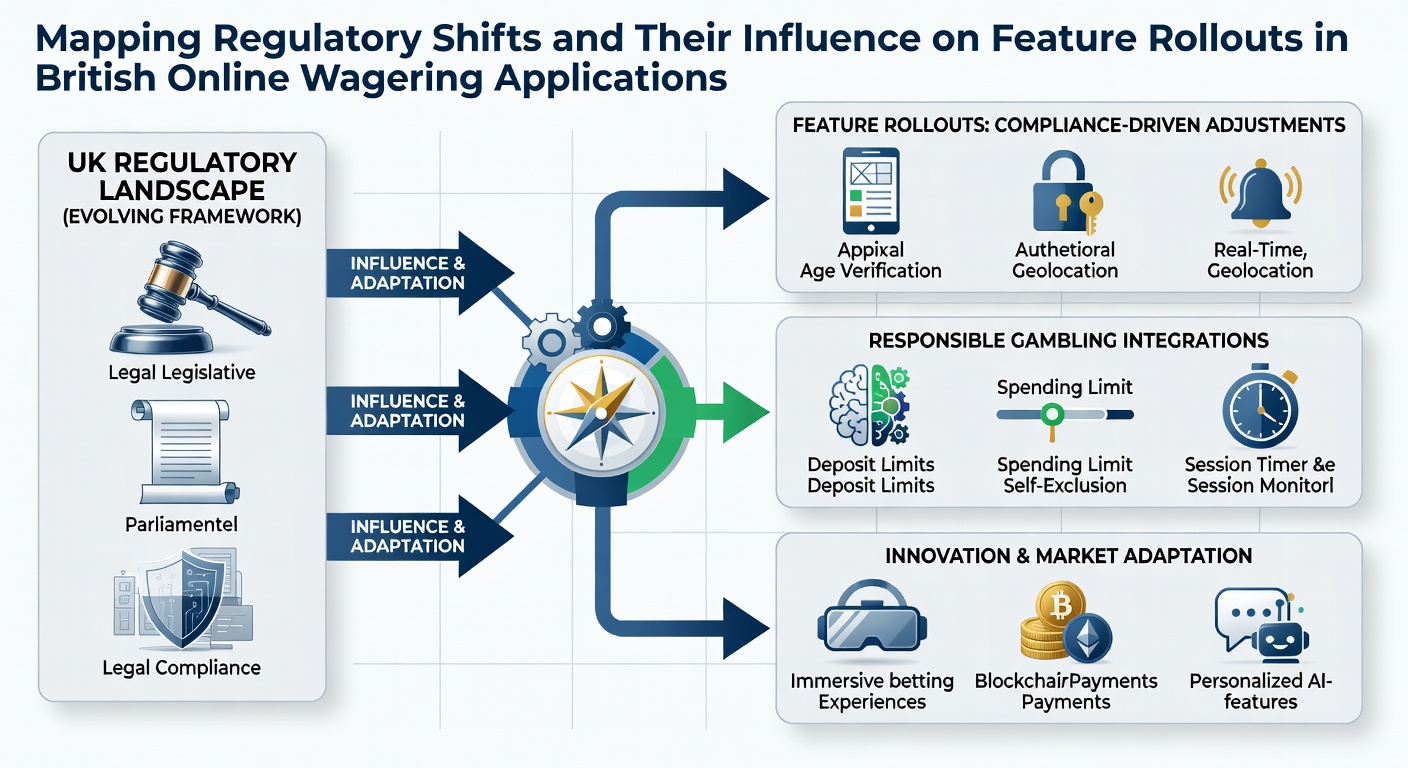
Payment processing pathways also undergo revisions when rules governing fund transfers tighten, prompting integration of additional confirmation steps and third-party verification services that operate within the app environment. Those who've examined deployment logs observe that these layers appear during scheduled maintenance windows rather than as standalone launches, because operators bundle them with performance optimizations to maintain engagement metrics. Evidence suggests the approach minimizes user friction while satisfying audit criteria from oversight bodies.
Development and Testing Adjustments
Development teams respond to shifting requirements by extending internal review periods, incorporating external audits earlier in the production schedule, and adopting modular code structures that allow quicker swaps when standards evolve. Studies from academic sources on technology adoption in regulated industries show that platforms using such architectures experience shorter gaps between policy announcements and live feature availability. British wagering applications demonstrate this through phased rollouts where select user groups test updated verification flows before broader distribution.
Collaboration between legal specialists and engineering groups becomes essential during these cycles, because interpretations of new wording in statutes can alter the precise specifications for data storage or alert mechanisms. Researchers at institutions examining digital compliance note that firms maintaining cross-functional teams reduce the risk of delayed launches and subsequent penalties. This coordination appears most visible in updates addressing cross-border data transfers and encryption standards that affect how applications store user preferences across sessions.
Conclusion
Regulatory shifts continue to serve as primary drivers behind the sequence and scope of feature introductions in British online wagering applications, creating structured timelines that align software releases with compliance milestones. Patterns observed through 2026 indicate sustained emphasis on integrated controls and transparent interfaces, with development practices adapting to accommodate both mandatory elements and competitive enhancements. Continued monitoring of policy documents from multiple jurisdictions provides insight into upcoming adjustments likely to shape subsequent app iterations.