Seasonal Liquidity Swings in UK Platform Markets for League Clashes and Classic Chase Events
Written by Vera Schulz · Jun 18, 2026
Seasonal Liquidity Swings in UK Platform Markets for League Clashes and Classic Chase Events
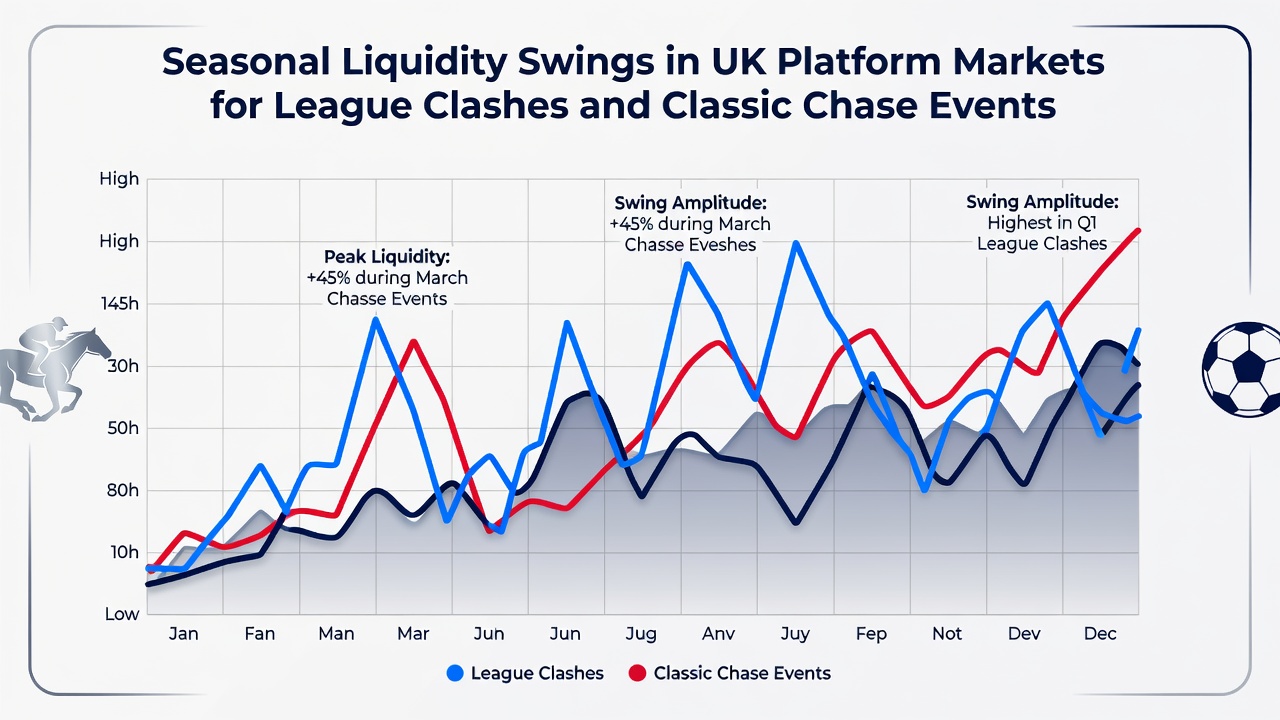
UK betting platforms experience distinct shifts in market liquidity tied to the annual calendar of football league fixtures and prominent horse racing festivals, with volume surges creating measurable changes in odds depth and fund movement patterns. Data from industry tracking services shows these fluctuations intensify during peak periods when multiple high-profile events overlap, leading platforms to adjust risk parameters and liquidity pools accordingly.
Mapping the Annual Cycle of Market Activity
Football league schedules run from August through May, bringing concentrated activity around matchdays that involve top-flight clubs, while horse racing calendars feature concentrated clusters of meetings at tracks like Cheltenham, Aintree, and Ascot. Observers note that liquidity pools expand rapidly in the days leading into these clusters because bettors increase stakes across both in-play football markets and ante-post racing options. According to reports from the European Gaming and Betting Association, such seasonal alignments produce measurable upticks in total handle that can exceed baseline volumes by 40 to 60 percent during overlapping weekends.
Platforms respond by widening the range of available odds tiers and reallocating reserve capital to maintain market stability. Those who've monitored these cycles point out that thinner liquidity appears during midweek slots outside major events, where fewer participants engage and spreads widen as a direct result.
Football League Clashes and Depth Fluctuations
Weekend premier league and championship fixtures generate the largest single-day liquidity spikes, particularly when several matches carry simultaneous betting interest. Research indicates that live in-play markets for these clashes draw rapid fund inflows from both domestic and international users, which forces platforms to recalibrate automated hedging tools. Figures released by the Canadian Gaming Association in 2025 highlighted comparable patterns in regulated markets, where football-driven volume increases required real-time adjustments to exposure limits.
June 2026 sits in the off-season window following the conclusion of the 2025-26 campaign, yet platform operators already prepare liquidity models for the August restart by reviewing historical data from prior seasons. This preparatory work includes stress testing systems against scenarios where multiple early-season derbies coincide with festival racing dates.
Classic Chase Events and Concentrated Racing Volumes
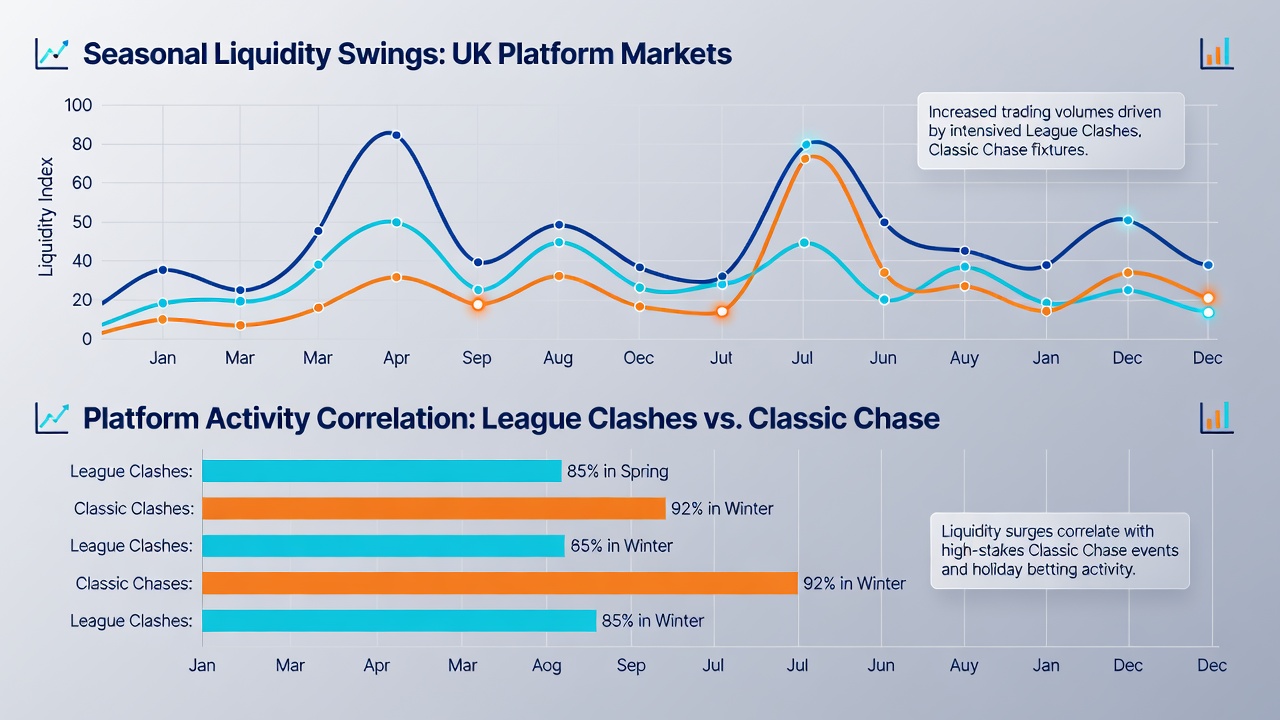
Events such as the Cheltenham Festival in March and the Grand National meeting in April create short but intense windows of elevated activity across ante-post, each-way, and place markets. Studies from the University of Melbourne's sports analytics group found that racing festivals produce liquidity surges lasting three to five days, after which volumes contract sharply until the next major card. Platforms handle these bursts by expanding available bet types and tightening automated price adjustment algorithms to prevent excessive movement on key runners.
What's interesting is how these racing peaks sometimes intersect with midweek football fixtures, creating hybrid demand that further stretches liquidity resources. Operators track these intersections through proprietary dashboards that aggregate real-time data across product lines.
Platform Mechanisms for Managing Swings
UK platforms deploy dynamic reserve allocation systems that draw from broader liquidity pools during high-demand periods. These systems monitor incoming bet flow and automatically redistribute exposure across correlated markets to reduce single-event risk. Data shows that successful implementations limit adverse price movements even when total stakes rise sharply over short intervals.
External regulatory frameworks in jurisdictions such as Australia and parts of the European Union require operators to maintain documented procedures for liquidity stress events, which UK platforms often reference when refining internal protocols. The result is a layered approach that combines algorithmic hedging with manual oversight during the most volatile festival windows.
Observed Impacts on Market Participants
Bettors encounter narrower margins and faster price updates during peak liquidity periods, whereas quieter intervals produce wider spreads and slower movement. Industry reports confirm that these differences appear consistently across multiple seasons rather than as isolated anomalies. Platform data also reveals that users who place larger stakes during swing periods benefit from deeper order books, while smaller-stake participants notice less variation in execution speed.
Conclusion
Seasonal liquidity patterns in UK platform markets remain tied to the predictable rhythm of football league calendars and horse racing festivals, with operators applying established risk-management frameworks to maintain orderly conditions. Continued monitoring through 2026 will show whether emerging data tools further reduce volatility during these recurring high-volume windows.