Synchronization Tactics for Real-Time Data Feeds Across Football Fixtures and Equine Events on Unified UK Gambling Interfaces
Written by Dana Franke · Jun 21, 2026
Synchronization Tactics for Real-Time Data Feeds Across Football Fixtures and Equine Events on Unified UK Gambling Interfaces
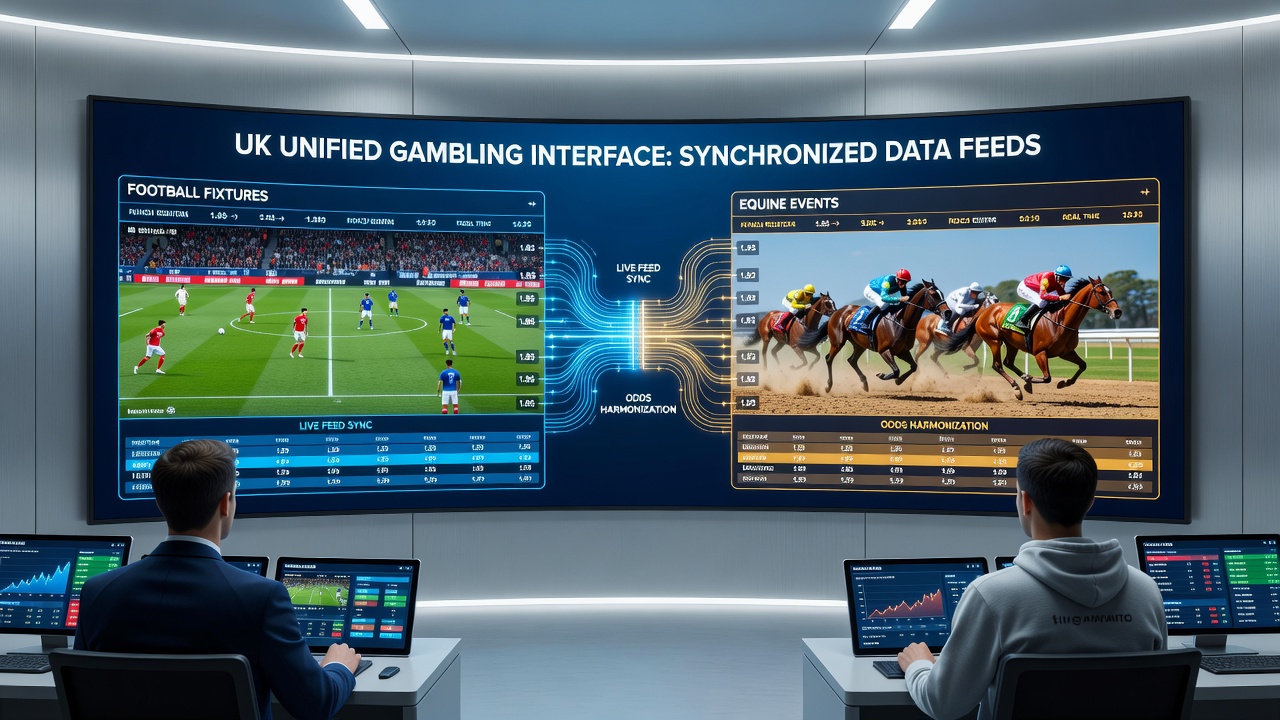
Data synchronization across football fixtures and equine events relies on coordinated pipelines that pull live statistics, results, and market movements into single platforms serving UK users. Operators coordinate multiple sources including stadium sensors, turf timing systems, and third-party aggregators to maintain consistent feeds without noticeable lags between the two sports. As of June 2026, several major platforms report using hybrid architectures that blend edge computing nodes with central cloud clusters to handle simultaneous Premier League matches and afternoon race meetings.
Core Technical Approaches
Engineers favor WebSocket connections over traditional polling because these persistent links cut transmission delays to under 200 milliseconds during peak periods. Normalization layers convert incoming JSON payloads from football tracking systems and equine RFID readers into a shared schema, which allows one odds engine to update both in-play soccer markets and each-way racing options without separate recalculations. Redundant pathways route traffic through at least two independent data centers, so a failure at one site hands over instantly to the backup while users continue placing bets.
Message queues such as Apache Kafka buffer high-volume events like goal scorers or photo-finish verdicts, then distribute them to downstream services that recalculate probabilities. Observers note that this queuing method prevents spikes from overwhelming front-end displays during events such as evening double-headers that combine late football kick-offs with twilight track racing.
Handling Football-Specific Inputs
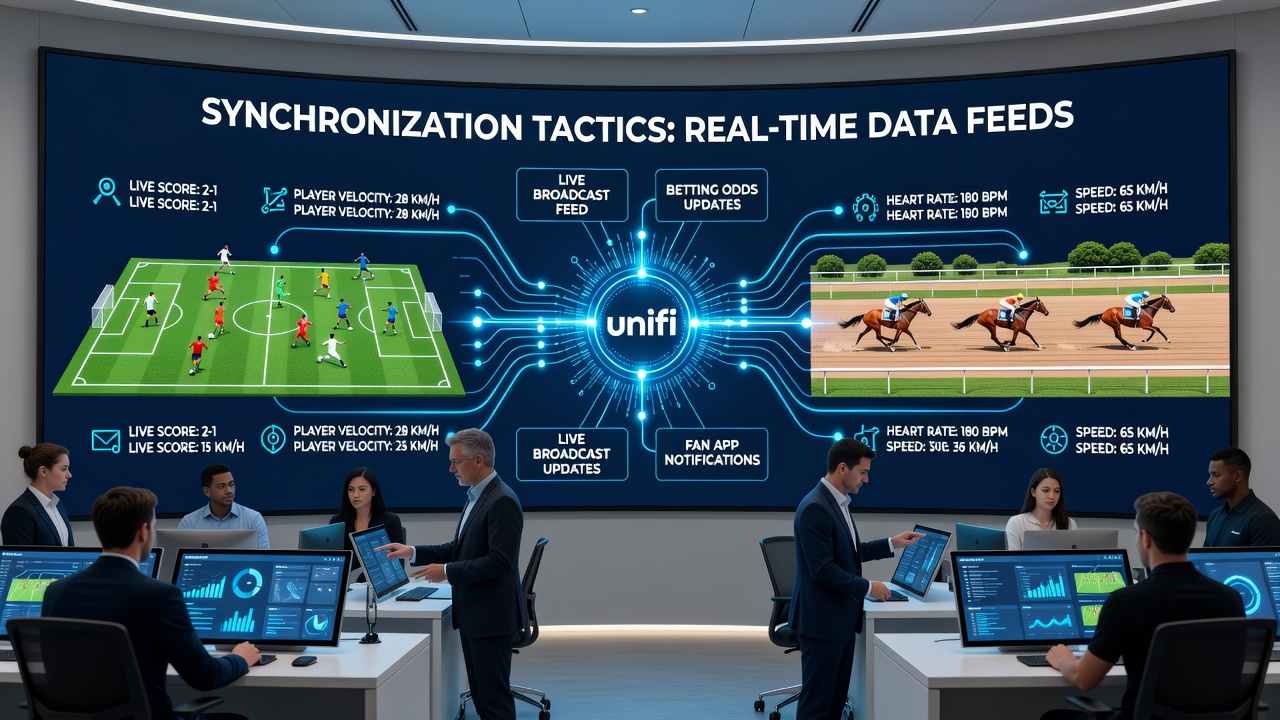
Football data arrives in structured bursts from optical tracking cameras and referee communications, which platforms merge with historical performance models to refresh over 200 micro-markets per match. Synchronization tactics include timestamp alignment that matches event logs from multiple broadcasters, ensuring that a substitution announced on one feed appears simultaneously across all connected interfaces. When fixtures overlap with equine schedules, load balancers prioritize streams based on user session data, directing more bandwidth toward whichever sport shows higher betting volume at that moment.
Equine Event Data Integration
Horse racing feeds incorporate GPS positions, stride analytics, and official stewards' decisions that require sub-second verification before odds adjust. Platforms apply similar timestamp protocols but add extra validation steps for photo finishes and stewards' inquiries, which can delay final results by several minutes. These pauses get managed through temporary market suspensions that sync across the unified dashboard, preventing mismatched displays when football markets continue updating in the background.
Unified Interface Challenges and Solutions
Combining both sports on one screen demands careful state management so that a user switching from a live football accumulator to an each-way horse bet sees accurate, non-conflicting information. Session tokens carry context flags that tell the backend which data subsets to refresh first, while caching layers store static elements such as team line-ups and horse pedigrees to reduce repeated calls. Research from Gambling Research Australia highlights how similar multi-sport systems maintain under 500-millisecond consistency across jurisdictions when proper queuing and failover protocols operate together.
Security layers encrypt each feed segment individually, yet decryption happens in parallel threads so overall latency stays low. Compliance checks run continuously against transaction logs, flagging any desynchronization that might affect displayed odds. Industry reports from the American Gaming Association indicate that cross-sport platforms adopting these layered checks experience fewer than 0.02 percent of sessions with visible data mismatches.
Monitoring and Continuous Adjustment
Operators deploy synthetic transaction monitors that simulate bets across both football and racing markets every few seconds, logging any drift between expected and actual display times. Automated alerts trigger when thresholds exceed 300 milliseconds, prompting engineers to reroute traffic or scale additional nodes. In June 2026, several UK-facing services incorporated machine-learning predictors that forecast traffic surges during overlapping major events, such as Champions League nights coinciding with Royal Ascot meetings, allowing preemptive resource allocation.
Conclusion
Effective synchronization ultimately depends on layered redundancy, precise timestamp handling, and adaptive routing that treats football and equine data streams as equal priorities within one ecosystem. Platforms that refine these elements continue to deliver consistent real-time experiences even when multiple high-profile fixtures and races run concurrently.